
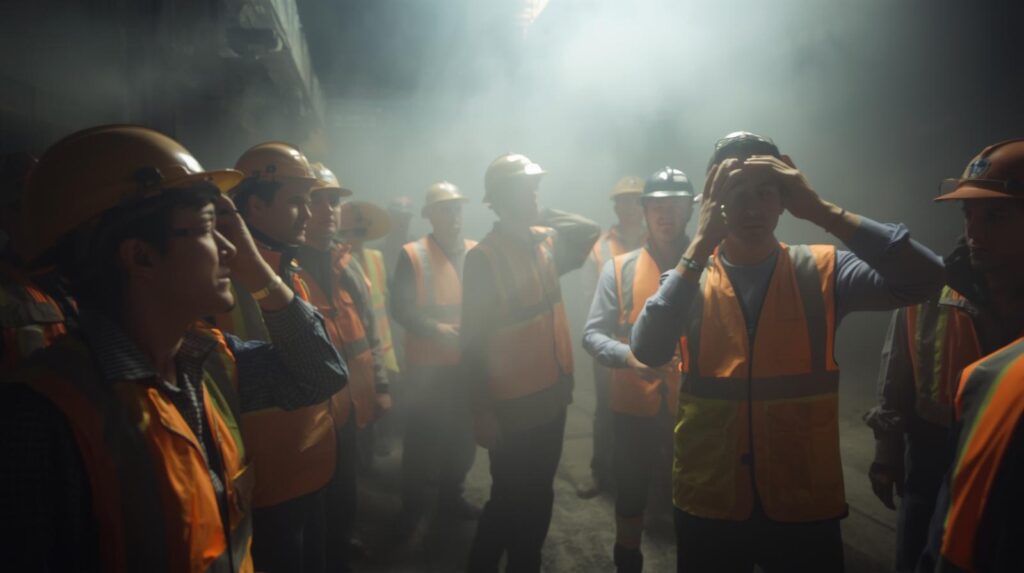
Just days ago, a carbon monoxide leak in Melbourne sent more than 20 people to hospital, highlighting how invisible hazards can escalate into emergencies without robust risk controls. What if a simple oversight in ventilation or monitoring could have prevented this? Let’s unpack the incident’s implications for QHSE, questioning whether our systems are truly proactive or merely reactive in the face of such threats.
The Incident and Its Immediate Fallout
On 1 December 2025, emergency services responded to reports of illness at a Melbourne site, where elevated carbon monoxide levels were detected. Victims experienced symptoms like headaches and nausea, leading to hospitalisations. While details are emerging, initial reports point to potential faults in heating or exhaust systems – common culprits in enclosed spaces.
From a risk management lens, this event underscores the silent danger of carbon monoxide, often dubbed the ‘silent killer’ for its colourless, odourless nature. In workplaces, especially those with machinery or confined areas, human oversight can compound the issue, turning routine operations into health crises.
Human Factors and Systemic Gaps
Human nature often leads to complacency around ‘unseen’ risks – we might skip routine checks or ignore early warning signs to meet deadlines. Traditional monitoring might tick compliance boxes but fail to adapt to real-time changes, like seasonal weather affecting ventilation. This ‘numbers game’ approach prioritises logs over lives, missing opportunities for prevention.
Consider workflows: Are alarms tested regularly? Do staff receive training on symptom recognition? Incidents like this reveal gaps where over-reliance on manual processes invites error, emphasising the need for integrated systems that alert and track hazards dynamically.
Links for further reading: Safe Work Australia’s guidance on managing hazardous chemicals. WorkSafe Victoria’s resources on gas safety.
Provoking Change in Your Organisation
Reflect on these:
- How does your team handle ‘invisible’ risks like gases or poor air quality?
- Are workflows encouraging genuine reporting, or just compliance ticking?
- Could tech integrations, like real-time sensors, bridge human limitations?
Addressing these could shift your QHSE from response to resilience, preventing tragedies before they unfold.
Recent Comments