
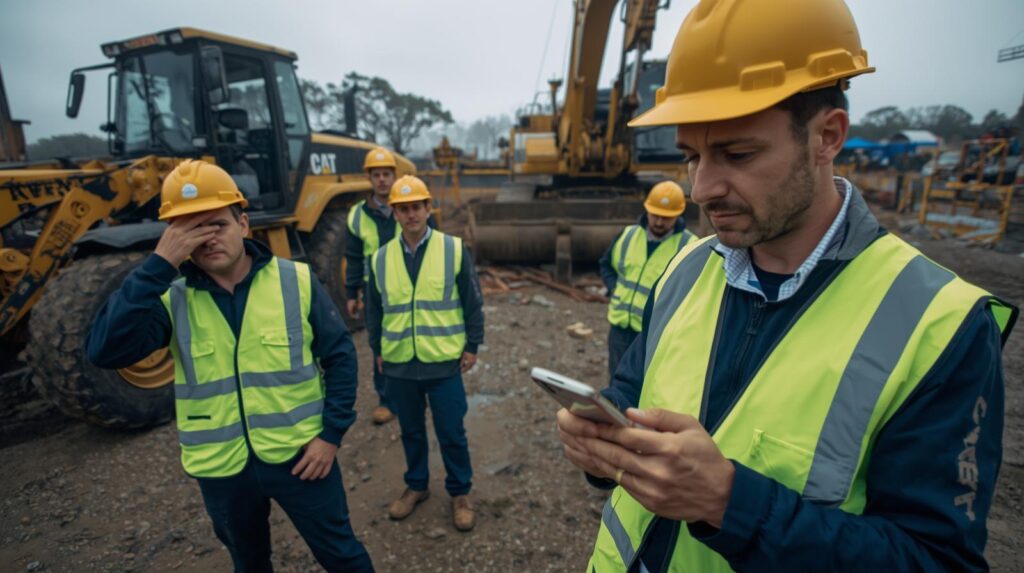
Fatigue is often dismissed as just tiredness, but in high-risk industries like construction, mining, and transportation, it can be a silent killer. What if your team’s exhaustion is the overlooked hazard leading to costly errors? Let’s examine why fatigue deserves more attention in QHSE practices, and how recognising its signs can prevent disasters.
Understanding Fatigue Beyond Sleepiness
Fatigue isn’t merely feeling sleepy; it’s a state of mental and physical exhaustion that impairs judgement, reaction times, and decision-making. In Australian workplaces, long hours, shift work, and demanding conditions amplify this risk. From a risk management view, fatigue acts like an invisible force, increasing accident likelihood by up to 30% according to Safe Work Australia data. Think about it: a momentary lapse could turn a routine task into a serious incident.
Human nature plays a role – we push through to meet deadlines, underreporting fatigue to avoid seeming weak. This leads to a ‘numbers game’ where hours are logged but real impacts ignored, fostering a culture where exhaustion is normalised rather than addressed.
Systemic Gaps and Human Factors
Traditional systems often fail because they rely on self-reporting, which human tendencies undermine – fear of reprisal or complacency results in underreporting. Workflows like mandatory rest breaks sound good but lack enforcement in fast-paced environments. Consider seasonal demands in Australia’s mining sector, where heat and extended shifts compound fatigue, yet monitoring is minimal.
Links for further reading: Safe Work Australia’s guidance on managing fatigue. WorkSafe Queensland’s resources on fatigue management.
Practical Steps to Build Resilience
To counter this, integrate simple workflows: rotate shifts to allow recovery, use fatigue checklists for pre-work assessments, and encourage anonymous reporting to overcome barriers. Training on recognising symptoms – like slowed reactions or irritability – empowers teams. Blending tech, such as wearables for alertness monitoring, with human-focused policies creates proactive defence.
Questions to Challenge Your Approach
Reflect on these:
- How does fatigue manifest in your team – ignored signs or pushed limits?
- Are your workflows promoting rest, or just compliance?
- Could better monitoring bridge human gaps in high-risk settings?
Addressing fatigue holistically elevates QHSE from reactive to preventive.
#QHSE #FatigueManagement #RiskAssessment #WorkplaceSafety
Recent Comments