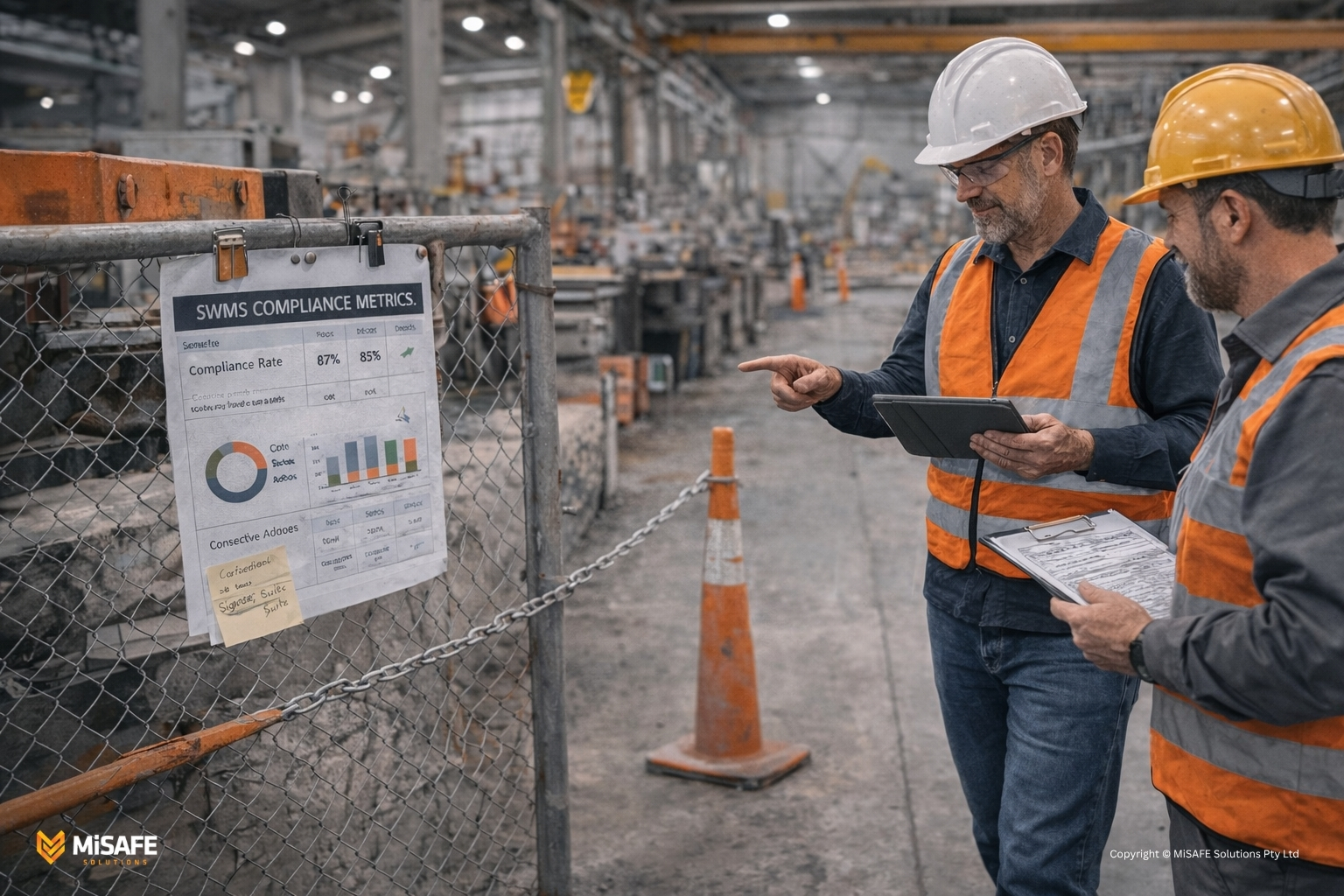
Welcome to Week 16 of MiSAFE Solutions Pty Ltd’s IMS Mastery Series: “Build Your IMS Empire: 53 Weeks of QHSE Insights with MiSAFE”. Following Week 15’s focus on monitoring and measuring performance, this week we explore internal audits — a powerful tool to check the health of your Integrated Management System (IMS). Under the ISO Annex SL structure (Clause 9.2), internal audits provide objective evidence that your system is working effectively across Quality (ISO 9001), Health & Safety (ISO 45001), and Environment (ISO 14001).
Done well, internal audits don’t just tick a box — they deliver real value and drive genuine improvement.
Why Internal Audits Add Real Value to Your IMS
Internal audits are your IMS health check. They verify that processes are being followed, risks are being managed, and objectives are being met. In Australian organisations, especially SMEs in construction and manufacturing, audits often reveal hidden gaps before they become costly problems or audit failures. When viewed as an opportunity rather than a compliance chore, internal audits strengthen your system, build confidence, and support continual improvement.
Key Elements of Effective Internal Audits
Annex SL requires internal audits to be planned, objective, and impartial. Focus on these essentials:
- Scheduled and risk-based: Audits should be planned based on importance, previous results, and changes.
- Objective and independent: Auditors should be competent and independent of the area being audited.
- Evidence-based: Collect objective evidence through observation, interviews, and records.
- Action-oriented: Every finding must lead to corrective actions and follow-up.
Practical Steps to Conduct Value-Adding Internal Audits
Follow this clear process to make your audits effective and practical:
- Develop an Audit Programme: Plan audits for the year, prioritising high-risk areas.
- Select and Train Auditors: Choose competent people who understand the standards and your business.
- Prepare and Conduct the Audit: Use checklists, interview staff, observe activities, and review records.
- Report Findings Clearly: Focus on facts, strengths, and opportunities for improvement.
- Follow Up on Actions: Track corrective actions and verify they are effective.
Common Challenges and Solutions
Many organisations struggle with superficial audits or lack of follow-up. To overcome this, train auditors properly, keep checklists practical, and make action tracking part of management reviews. Treat audits as a learning opportunity rather than a fault-finding exercise.
Benefits of Value-Adding Internal Audits
Effective internal audits improve compliance, reduce risks, identify best practices, and build a stronger safety and quality culture. They provide leadership with confidence that the IMS is working and deliver real business value.
Get Started with Your Free Tool
Download the Internal Audit Checklist (Document ID: MISAFE-IMS-CHK-006-V1.0) to plan, conduct, and follow up on your internal audits effectively.
Stay Tuned
Next week: “Management Review: Driving Continual Improvement”. Subscribe for updates.
Ready to act? Contact us today for expert support at https://misafesolutions.com.au/contact-us/ or book a free 1hr consultation meeting to discuss your IMS requirements with MiSAFE at https://calendly.com/misafe/1-hour-ims-development.
This article is general guidance. Check the legislation that applies in your state, or talk to us about your situation.